
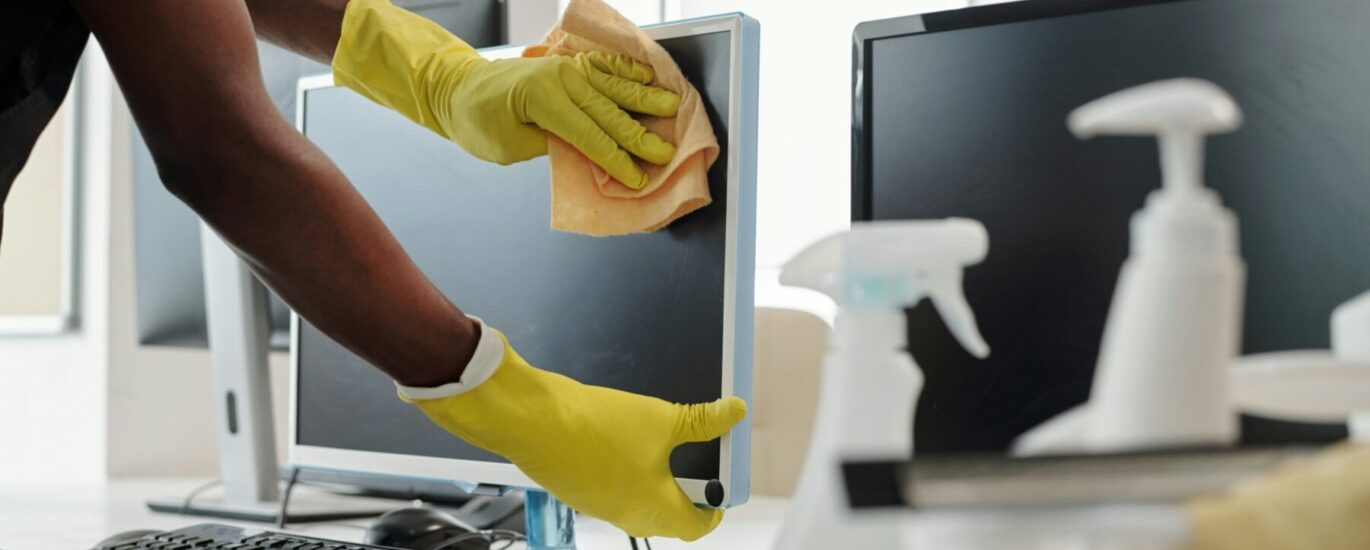
Multi-Purpose Ways to Clean Your Office, Desk and Floor
A clean and well-maintained office creates a healthier, safer, and more productive working environment. Employees spend many hours at their desks and move around shared spaces every day. Dust, dirt, food particles, stains, and germs can quickly accumulate on desks, floors, and frequently touched surfaces.
Regular office cleaning helps maintain hygiene, improves the appearance of the workplace, and creates a more comfortable environment for employees and visitors.
Why Office Cleaning Is Important
A clean office reflects professionalism and creates a positive first impression on clients, visitors, and employees. It also helps maintain a more organised and comfortable workspace.
Regular cleaning can help:
- Reduce dust and dirt buildup
- Maintain workplace hygiene
- Keep desks and shared spaces organised
- Improve the appearance of the office
- Create a more comfortable working environment
- Maintain cleaner floors and walking areas
- Support a professional workplace atmosphere
A proper cleaning routine should cover desks, floors, workstations, meeting rooms, washrooms, and frequently touched surfaces.
How to Clean Your Office Efficiently
1. Start with Decluttering
Before beginning the cleaning process, remove unnecessary items, old papers, empty containers, and waste from desks and workspaces.
Organising the office makes cleaning easier and helps create a more productive working environment.
Encourage employees to keep their personal workstations organised and use proper storage for documents and office supplies.
2. Clean Desks and Workstations
Office desks are used throughout the day and can collect dust, food particles, and fingerprints.
Use appropriate cleaning materials to wipe desks and other work surfaces. Pay special attention to frequently touched areas such as:
- Desk surfaces
- Keyboards and mice
- Telephones
- Drawer handles
- Chair armrests
- Computer screens
- Switches and buttons
Always use suitable cleaning products for electronic equipment and avoid applying excessive liquid directly to devices.
3. Dust Office Furniture and Equipment
Dust can quickly accumulate on office furniture, shelves, cabinets, monitors, and other equipment.
Regular dusting helps maintain a cleaner appearance and prevents excessive dust buildup.
Do not forget areas that are often missed, such as:
- Behind monitors
- Under desks
- Window ledges
- Shelves
- Cabinets
- Corners and edges
Multi-Purpose Ways to Clean Office Floors
Office floors experience constant foot traffic and require regular maintenance. The best cleaning method depends on the type of flooring.
4. Sweep or Vacuum Regularly
Sweeping and vacuuming help remove loose dust, dirt, and small debris from office floors.
Carpeted areas should be vacuumed regularly, while hard floors may require sweeping before mopping.
Regular cleaning prevents dirt from building up and helps maintain a neat workplace.
5. Mop Hard Floors
Hard surfaces such as tiles, vinyl, and other office flooring should be mopped using suitable cleaning products.
Focus on high-traffic areas such as:
- Office entrances
- Corridors
- Workstations
- Meeting rooms
- Reception areas
- Pantry areas
Make sure wet floors are properly managed to reduce slip risks.
6. Treat Stains Quickly
Spills and stains should be cleaned as soon as possible. Coffee, tea, food, and other liquids can leave marks on desks and floors if they are not addressed promptly.
Quick cleaning helps maintain the appearance of office surfaces and reduces the need for intensive cleaning later.
Use a Regular Office Cleaning Schedule
Creating a cleaning schedule is one of the most effective ways to maintain office hygiene.
Daily Cleaning
- Empty waste bins
- Clean frequently touched surfaces
- Sweep or vacuum floors
- Clean pantry areas
- Organise common spaces
Weekly Cleaning
- Mop hard floors
- Dust furniture and equipment
- Clean glass surfaces
- Vacuum carpets thoroughly
- Clean meeting rooms
Deep Cleaning
Professional deep cleaning may be required periodically for carpets, floors, furniture, difficult-to-reach areas, and high-traffic spaces.
A planned cleaning schedule helps ensure that no important area is ignored.
Benefits of Professional Office Cleaning
For larger offices and commercial spaces, professional cleaning services can provide efficient and systematic cleaning.
Professional cleaning teams may use appropriate equipment and cleaning methods for different areas, including offices, workstations, floors, washrooms, reception areas, and common spaces.
The benefits include:
- Consistent cleaning standards
- Better management of large spaces
- Suitable cleaning equipment
- Regular maintenance schedules
- Improved workplace appearance
- Reduced burden on employees
Conclusion
Cleaning your office, desk, and floor is an important part of maintaining a professional and comfortable workplace. Regular cleaning helps control dust, manage dirt, keep workspaces organised, and maintain cleaner shared areas.
By following a regular cleaning routine and using suitable cleaning methods for different surfaces, businesses can create a cleaner and more welcoming workplace.
A clean office creates a better environment for employees, visitors, and business operations.